Arizona • Independent Auditors
Duct Leakage Testing in Arizona
Arizona attic ducts commonly leak 20–30% of your cooled air. We measure exactly how much — and where.
Duct leakage testing measures the single most expensive hidden flaw in most Arizona homes: cooled air escaping the duct system before it ever reaches your rooms. In the Valley, those ducts usually run through an attic that hits 150°F or more, so every leak is a double loss — you lose the air you paid to cool, and you pull superheated attic air back into the system. We pressurize your ducts and measure the loss as CFM25, turning a hidden drain into a number you can fix and verify.
20–30%
Typical AZ Leakage
Common in older homes — up to a third of cooled air, lost.
<10%
The Target
Where a well-sealed system should land after repair.
150°F+
Attic Duct Environment
Where most Arizona ducts leak — and pull heat back in.
Why Ducts Matter Most in Arizona
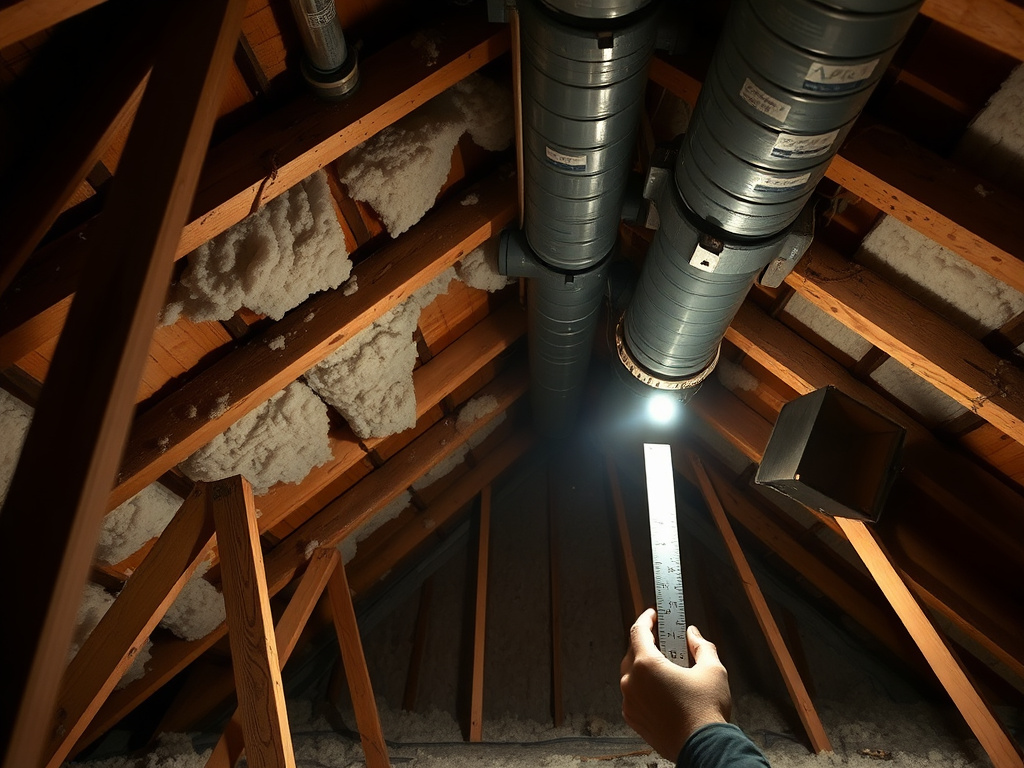
In most of the country, ductwork runs through conditioned or semi-conditioned space, so a leak just moves air from one part of the house to another. In Arizona, the ducts typically run through the attic — the hottest place in the entire building. That single fact makes duct leakage the highest-impact defect we test for.
When a duct leaks in a 150°F attic, two bad things happen at once. Supply leaks dump the cold air you're paying for into the attic, so it never cools a room. Return leaks pull blistering attic air into the system, forcing your AC to cool that superheated air on top of everything else. A system with significant duct leakage can run constantly and still never satisfy the thermostat, driving both your bills and your equipment wear straight up.
How We Test: The Duct Blaster and CFM25
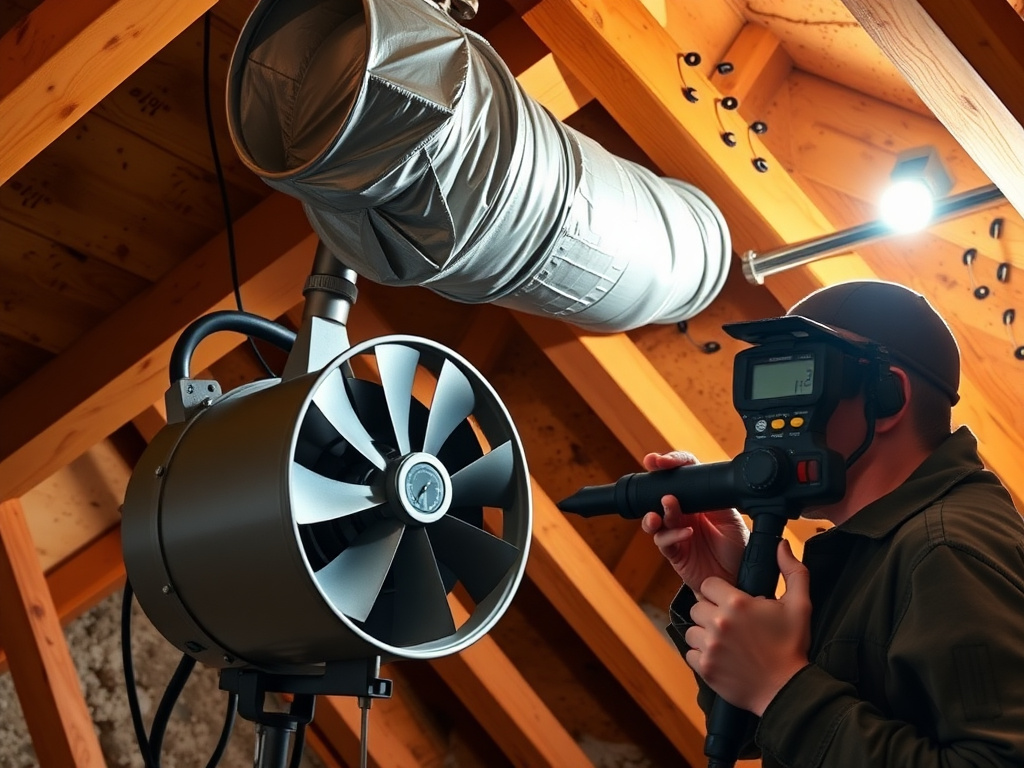
To measure duct leakage precisely, we temporarily seal your supply and return registers and connect a calibrated fan — a 'duct blaster' — to the system. The fan pressurizes the ducts to a standard 25 pascals, and the airflow required to hold that pressure equals the amount of air leaking out. That measurement is CFM25: cubic feet per minute of leakage at 25 pascals.
We often express that number as a percentage of your system's total airflow, which makes it intuitive: a home leaking 25% is losing a quarter of its conditioned air. We can also perform a pressure-pan test to identify which specific runs and connections are leaking worst, so the repair targets the biggest offenders first.
What's Normal, What's Bad
Modern efficiency standards and code aim for total duct leakage under roughly 10% of system airflow, and tight new construction can achieve 5% or less. The reality in Arizona's existing housing stock is very different — older homes we test frequently come in at 20–30% or worse.
| Leakage Level | What It Means | Typical Home |
|---|---|---|
| Under 10% | Tight, efficient duct system | New or recently sealed |
| 10–20% | Room for meaningful improvement | Average maintained home |
| 20–30% | Major, costly losses | Older homes, original ducts |
| Over 30% | Severe — often failed connections | Neglected or damaged systems |
The Symptoms of Leaky Ducts
You often feel duct leakage before you measure it. If you recognize these symptoms, a duct test will almost certainly explain them.
- Rooms that never cool — especially those farthest from the air handler, fed by the longest, leakiest runs.
- An AC that runs constantly and still can't hold the setpoint on hot afternoons.
- Persistent dust — return-side leaks pull dusty attic air into the system and distribute it through the house.
- High bills despite a newer, efficient AC — the equipment is fine; the delivery is broken.
- Uneven temperatures between floors or wings of the home.
- Musty or attic-like odors when the system runs, a sign of return leakage.
Sealing, Rebates, and Verification
Once we've measured and located the leakage, sealing is one of the best-value fixes in the entire efficiency playbook — inexpensive relative to its return, and directly tied to comfort. Both APS and SRP have historically offered rebates for professional duct testing and sealing, precisely because the utilities know how much waste it eliminates in this climate.
The critical final step is verification. After sealing, we re-run the duct blaster and measure the new CFM25, giving you a documented before-and-after that proves the work succeeded and satisfies rebate requirements. Because program amounts change annually, we confirm the current APS and SRP duct-sealing rebates for your address and point you to the utility's own page for the live figures.
How Duct Testing Fits the Full Audit
Duct leakage testing is a cornerstone of the whole-home audit, working alongside the blower door and thermal camera. The blower door measures envelope leakage, the thermal scan shows where the duct losses land inside the house, and the duct test quantifies the losses at the source. Together they explain why your bill is what it is with very little left to guess.
For many Arizona homeowners, duct sealing is the first recommendation on their report — the fastest payback, the biggest comfort improvement, and the clearest path to lower summer bills. It's the fix that most often makes the audit pay for itself in a single season.
Common Questions
Duct Leakage Testing FAQs
Straight answers from an independent auditor. More on our full FAQ page.
Have a different question? Read all 28 FAQs or see our 2026 Arizona energy audit guide.
Related Services
You Might Also Need

Whole-Home Energy Audit
The complete diagnosis — blower door, thermal camera, and duct testing in one visit, with a prioritized fix-it roadmap.
Thermal Imaging
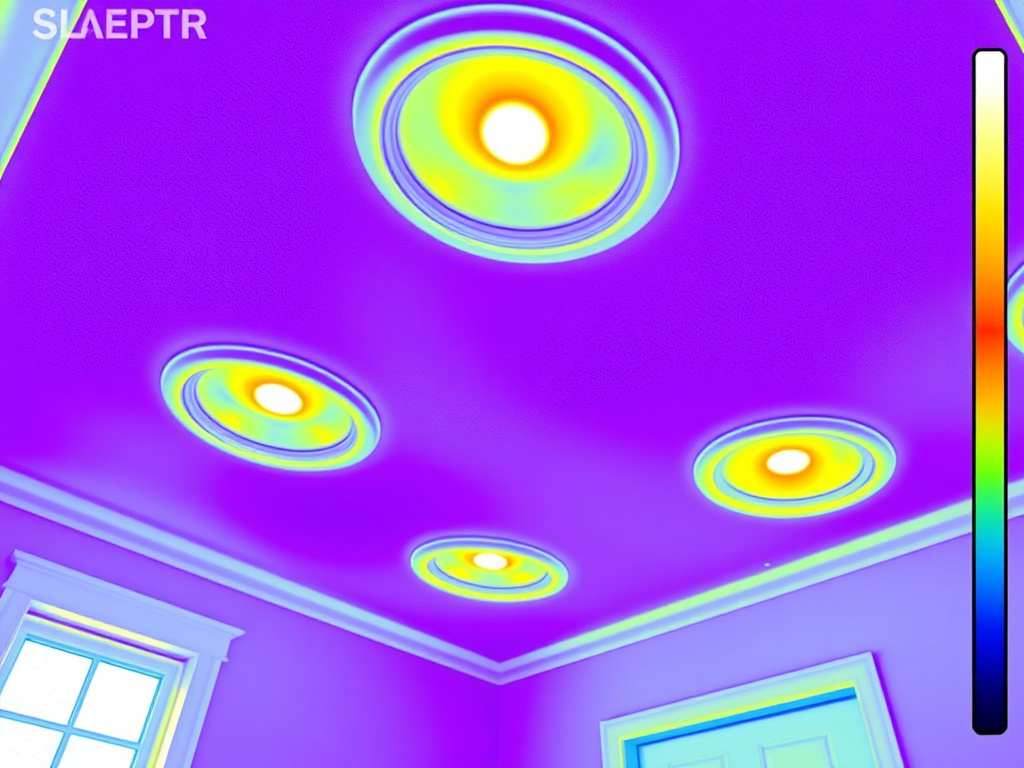
The camera shows what the eye can't — insulation voids, duct leaks, and moisture, in vivid false color.

APS/SRP Rebates
Your audit is the paperwork that unlocks utility rebates and tax credits — we map every dollar you qualify for.
Ready to Find Out Why Your Bill Is So High?
Book an independent energy audit for your Arizona home or business. We measure exactly where your money is going — and hand you a prioritized plan to stop it.