Arizona • Independent Auditors
Insulation & Envelope Assessment
We measure what you actually have — attic depth, block-wall gaps, and the R-value you're really getting.
An insulation and envelope assessment measures what you actually have — not what the builder's brochure claimed, and not what a quick glance in the attic suggests. We measure insulation depth and coverage directly, identify the material and its effective R-value, and use the thermal camera to reveal the voids and gaps that depth alone hides. In Arizona's Climate Zone 2B, where the standard calls for R-38 to R-49 in the attic, many homes we assess fall well short — and the assessment shows you exactly where and by how much.
R-38+
AZ Attic Target
The Climate Zone 2B floor; R-49 is the modern goal.
Measured
Not Estimated
Actual depth, coverage, and R-value — no averages.
Block walls
Arizona's Blind Spot
1970s CMU homes often have near-zero wall insulation.
R-Value Reality in Arizona Attics
R-value is a measure of resistance to heat flow, and in Arizona your attic insulation is the primary barrier between 150°F attic air and your living space. The catch is that the R-value written on a bag of insulation is a laboratory figure — the R-value your home actually gets depends on depth, coverage, compression, gaps, and whether the material has settled or been disturbed over the years.
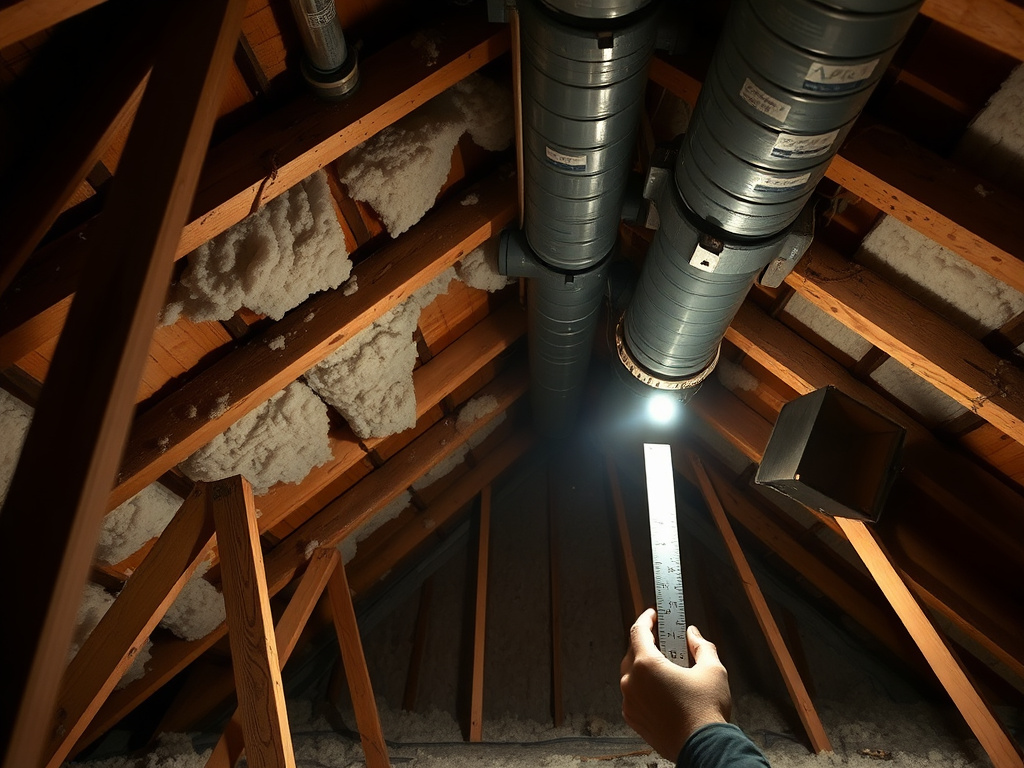
We measure what's really there. Using depth probes across the attic and a thermal scan to catch the voids, we calculate the effective R-value your ceiling is delivering, not the nominal number someone quoted at installation. It's common to find an attic that was 'R-30' on paper performing far lower because the insulation has settled to two-thirds its original depth or was never installed evenly around the edges and penetrations.
The Block-Wall and 1970s-Home Problem
Phoenix has one of the largest stocks of concrete-block (CMU) homes in the country, and homes built through the 1970s frequently have little or no insulation in those block walls. On the thermal camera, they're unmistakable: the whole wall glows with an even heat as it radiates the day's sun into your rooms well into the night.
This is a blind spot that generic, frame-home efficiency advice completely misses. An uninsulated block wall can be a major share of a home's summer heat gain, and the fix — interior or exterior wall insulation, sometimes combined with radiant strategies — is entirely different from what you'd do to a stick-framed house. Our assessment identifies whether block-wall heat gain is a meaningful driver in your home and quantifies it so you can weigh the fix against its return.
How We Measure
A thorough insulation assessment combines direct measurement with imaging, because each catches what the other misses.
- Depth and coverage — probes at multiple points across the attic to map how much insulation exists and where it thins out.
- Material identification — determining whether you have fiberglass batts, blown cellulose, blown fiberglass, or foam, each with a different R-per-inch.
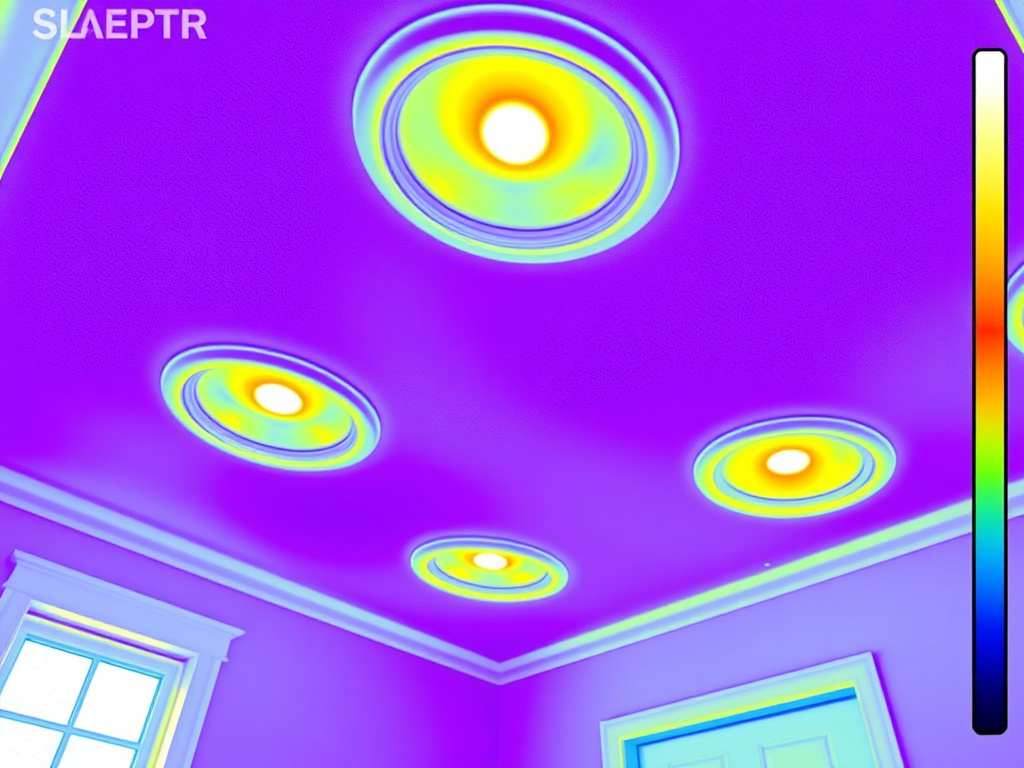
- Thermal scanning — revealing voids, gaps at the edges, compressed areas under storage, and spots where insulation is simply absent.
- Penetration check — assessing insulation and air-sealing around can lights, top plates, and the attic hatch, where performance is often worst.
- Wall assessment — using the thermal camera to evaluate block and frame walls for insulation presence and heat gain.
Recommended R-Values for the Phoenix Climate
Phoenix sits in IECC Climate Zone 2B, hot-dry. Current code adopted across most Valley jurisdictions calls for roughly R-38 in the attic, and the newer standard recommends R-49 — we treat R-38 as the floor rather than the goal. Walls should reach R-13 or better where construction allows.
But R-value is only half the story. Adding insulation over a leaky ceiling is like piling blankets on a screen door — the air moves right around it. That's why our assessment always evaluates air sealing alongside insulation, and why our recommendations sequence the work correctly: seal first, then insulate, so the insulation you pay for actually performs at its rated value.
Air Sealing Before Insulating
The most common mistake Arizona homeowners make is topping off attic insulation without first sealing the air leaks beneath it. Blown insulation is air-permeable; if the ceiling plane below is full of gaps at top plates, can lights, and penetrations, hot attic air and your cooled indoor air will exchange straight through the new insulation, and much of your investment evaporates.
Our assessment identifies the air-sealing work that should precede or accompany any insulation upgrade, drawing on the blower-door and thermal findings. Done in the right order, sealing and insulating reinforce each other and deliver the full savings the numbers promise.
From Assessment to Upgrade — and Rebates
The assessment is the diagnosis; the upgrade is a separate decision you make with the data in hand. Because we're an independent auditor and don't install insulation, our recommendations are about what your home needs, not what we'd like to sell. When you're ready, the report is contractor-ready for any qualified insulation company, and the concept of an insulation upgrade — added attic insulation, wall insulation, or air sealing — flows naturally from what we find.
Both APS and SRP have historically offered rebates for insulation improvements tied to a professional assessment, and the federal 25C tax credit adds another layer for qualifying insulation and air-sealing work. We document your existing conditions to the standard these programs require so you're positioned to claim what you qualify for; because amounts change yearly, we verify the current offers for your address.
Common Questions
Insulation Assessment FAQs
Straight answers from an independent auditor. More on our full FAQ page.
Have a different question? Read all 28 FAQs or see our 2026 Arizona energy audit guide.
Related Services
You Might Also Need
Thermal Imaging
The camera shows what the eye can't — insulation voids, duct leaks, and moisture, in vivid false color.
Blower Door Testing
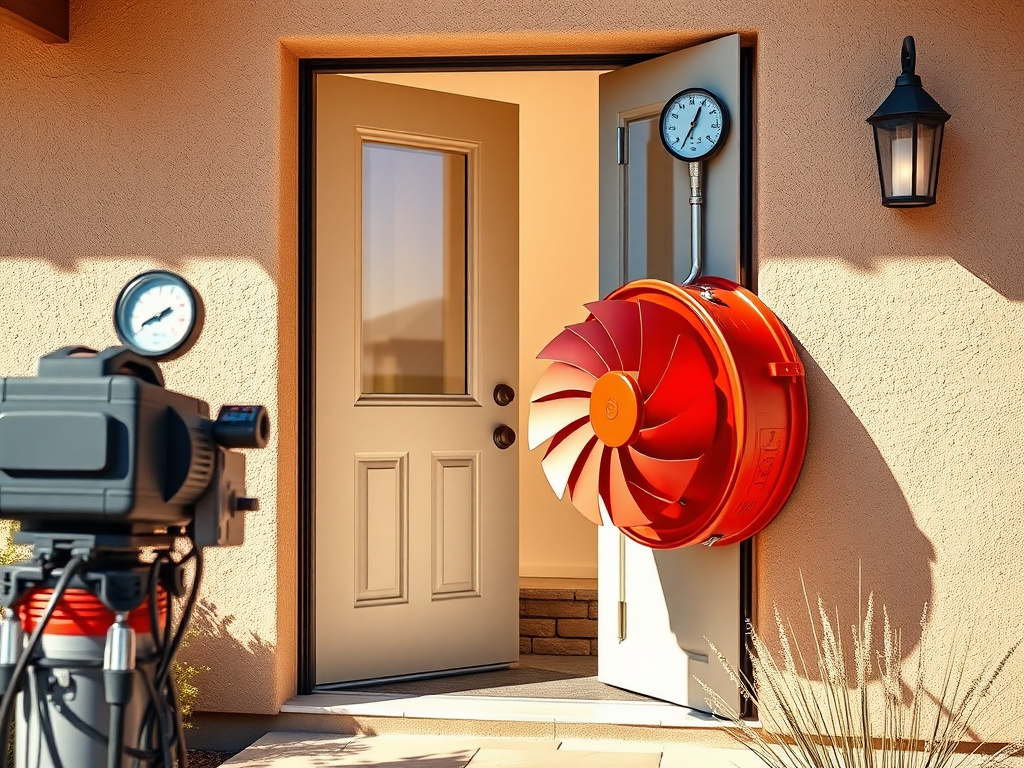
A calibrated fan measures your home's true air leakage — the number every efficiency upgrade should start from.

APS/SRP Rebates
Your audit is the paperwork that unlocks utility rebates and tax credits — we map every dollar you qualify for.
Ready to Find Out Why Your Bill Is So High?
Book an independent energy audit for your Arizona home or business. We measure exactly where your money is going — and hand you a prioritized plan to stop it.