Arizona • Independent Auditors
Infrared Thermal Imaging Inspection
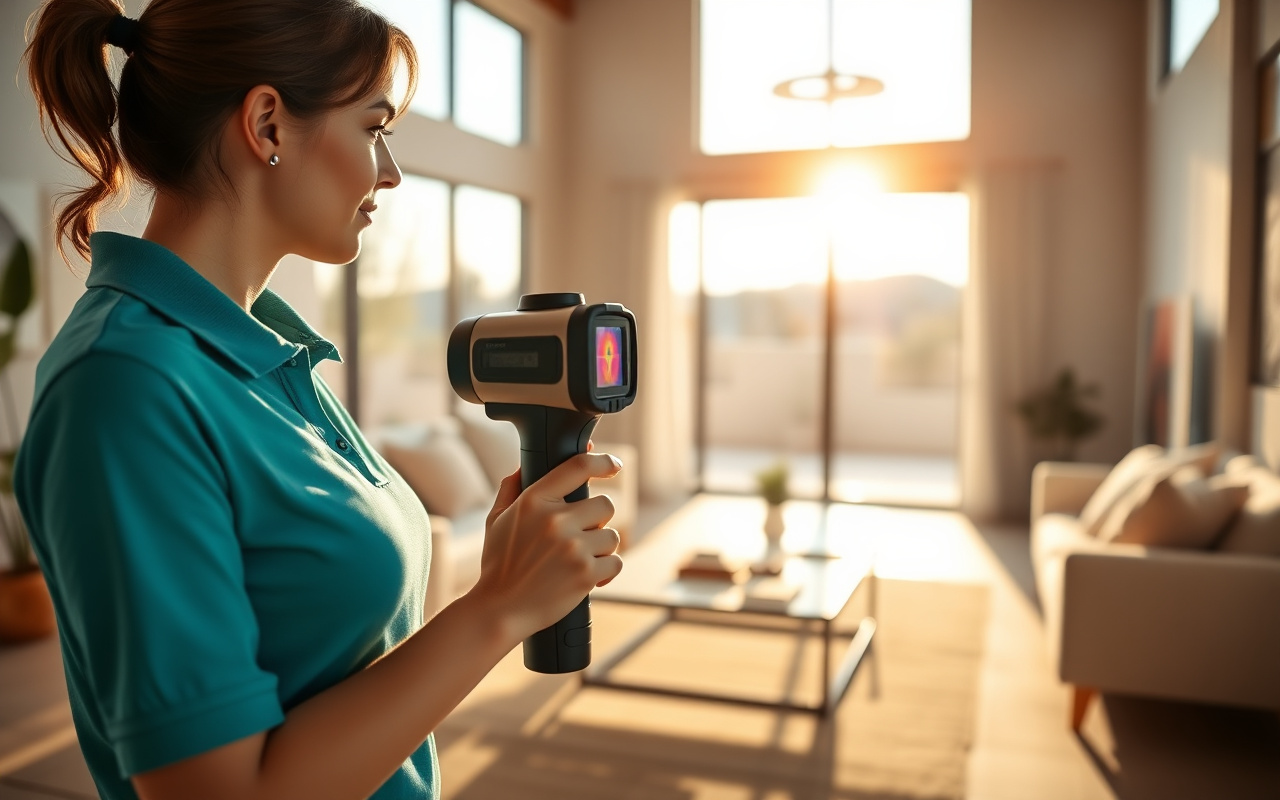
The camera shows what the eye can't — insulation voids, duct leaks, and moisture, in vivid false color.
An infrared thermal imaging inspection shows you the invisible — the exact places where heat pours into your home and cooled air escapes it. Our camera reads surface temperature and paints it in vivid false color, so a missing patch of attic insulation, a leaking duct, or an uninsulated block wall stops being a guess and becomes a picture. In Arizona's extreme heat, the large temperature difference between inside and out makes these problems glow, which is why thermal imaging is one of the most revealing tools in the entire audit.
±0.1°C
Temperature Resolution
Fine enough to reveal insulation voids and hidden air paths.
100%
Non-Invasive
No drilling, no cutting — the camera sees through to the problem.
Every room
Full Scan Coverage
Ceilings, walls, ducts, windows, and mechanical penetrations.
What Infrared Imaging Sees
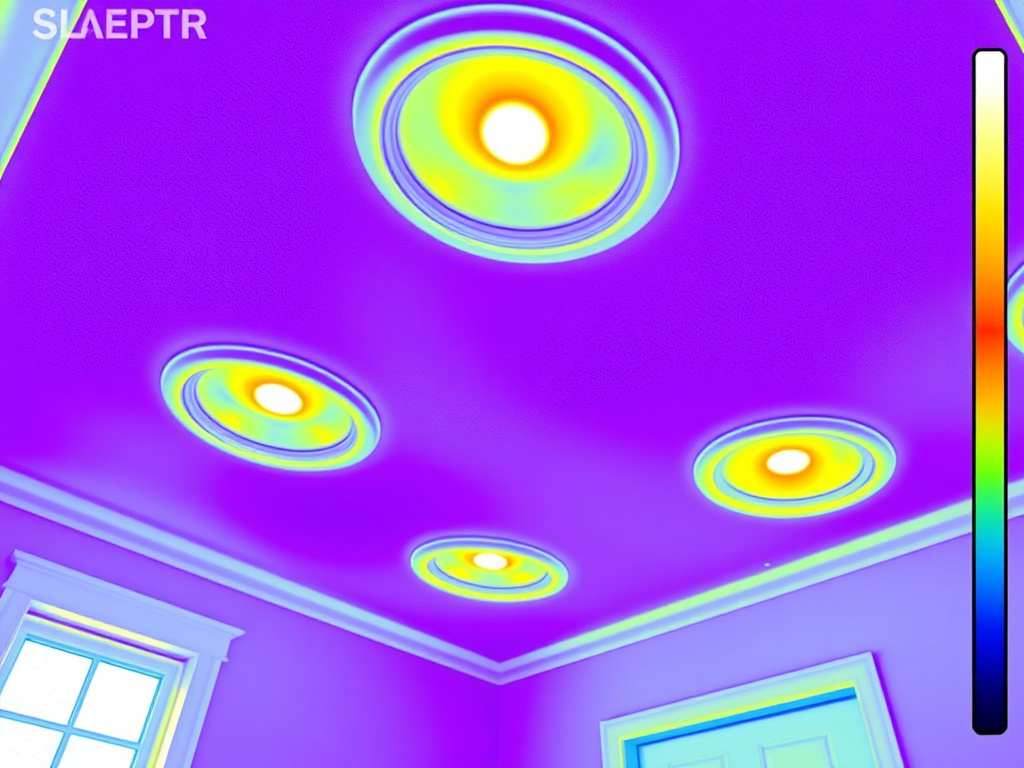
Every surface radiates heat according to its temperature, and an infrared camera converts that invisible radiation into an image you can read at a glance. Cooler areas render in deep purples and blues; hotter areas in oranges and yellows. In a home, those color patterns are a direct readout of how well — or how poorly — the building is holding back the desert heat.
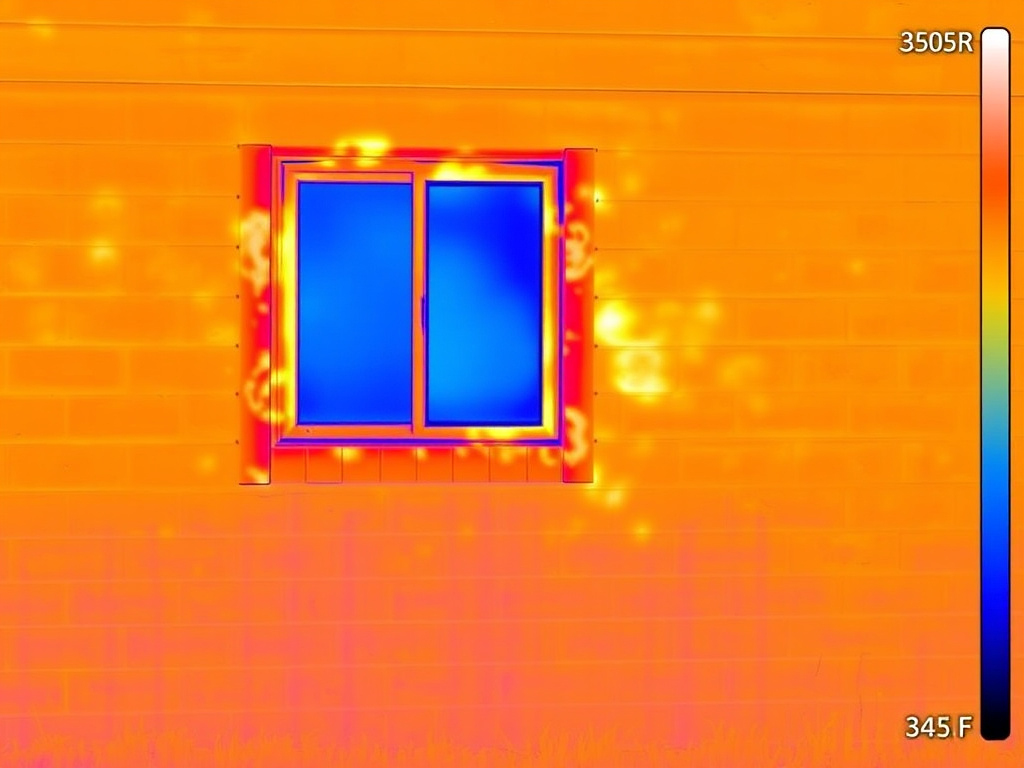
The camera doesn't see through walls like an X-ray, but it does reveal what's happening at the surface, which tells the story. A cold streak across a ceiling betrays a leaking duct above it. A warm blotch reveals insulation that has settled, been disturbed, or was never installed. A bright frame around a window shows heat conducting straight through the glass and frame. Nothing is inferred from averages — you see the actual condition of your actual home.
What the Camera Finds in Arizona Homes
Because we scan homes across the Valley every week, we know the signatures of the problems that drive Arizona bills. A thermal inspection reliably surfaces the issues a visual walkthrough can never catch.
- Insulation voids and gaps — warm patches where attic insulation is thin, settled, missing, or displaced by foot traffic and storage.
- Duct leakage and disconnects — cold streaks and blooms on ceilings where cooled air escapes before reaching the register.
- Air leakage paths — cool plumes around can lights, top plates, and penetrations when paired with the blower door.
- Uninsulated block walls — the telltale even heat glow of 1970s CMU construction radiating into living space.
- Moisture intrusion — evaporative cooling signatures that can indicate roof or plumbing leaks before they're visible.
- Electrical hot spots — overloaded connections and breakers that show up as anomalous heat, a genuine safety find.
Why Arizona's Heat Makes Imaging So Effective
Thermal imaging depends on a temperature difference between inside and outside — the bigger the delta, the sharper the picture. Arizona provides that in abundance. When your AC is holding 78°F against a 110°F afternoon, that 30-plus-degree gap makes every insulation defect and air leak stand out in high contrast.
The attic tells the most dramatic story. With deck temperatures pushing 150–160°F above your ceiling, even minor insulation weaknesses radiate heat downward that the camera captures instantly. This is why a summer thermal scan is so valuable: the conditions that make your home uncomfortable are the same conditions that make its flaws visible.
Sample Findings: What Your Scan Might Reveal
No two homes scan alike, but patterns recur. In a 1990s two-story in Gilbert, the camera might show the upstairs ceilings running several degrees warmer than the walls — a classic sign of thin attic insulation over the bedrooms combined with hot ducts in the attic. In a 1970s block home in Mesa, the walls themselves glow evenly, revealing the near-total absence of wall insulation.
In a newer build in Goodyear, the surprise is often a specific defect: a section of attic where the insulation was never fully installed, or a duct boot that came loose and is dumping cold air into a wall cavity. The value of the scan is that it doesn't just confirm your home has issues — it locates them precisely, so the fix is surgical rather than speculative.
The Blower-Door Combination
Thermal imaging is powerful on its own and even more powerful paired with a blower-door test. With the house depressurized, incoming air streams across surfaces near every leak, cooling them just enough for the camera to trace the exact path. This pressurized thermal scan converts a general leakage number into a specific, ranked map of where the air is moving.
That's the workflow behind a genuine whole-home audit: the blower door quantifies the leakage, the thermal camera locates it, and the duct test measures the losses hidden in your air handling. Together they leave very little to guesswork.
What You Receive — and What Thermal Imaging Can't Do
Your report includes annotated thermal images of the significant findings, paired with plain-language explanations and a recommended fix for each. Seeing the problem in color is often what finally makes a homeowner confident about where to spend — there's no arguing with a picture of your ceiling leaking heat.
We're also honest about the tool's limits. Thermal imaging shows surface temperature, not R-value directly, and it needs a temperature difference to work, so results are richest in summer and on hot afternoons. It complements the blower door and duct test rather than replacing them. Used correctly and interpreted by a trained auditor, it's one of the most persuasive and useful instruments we carry.
Common Questions
Thermal Imaging FAQs
Straight answers from an independent auditor. More on our full FAQ page.
Have a different question? Read all 28 FAQs or see our 2026 Arizona energy audit guide.
Related Services
You Might Also Need
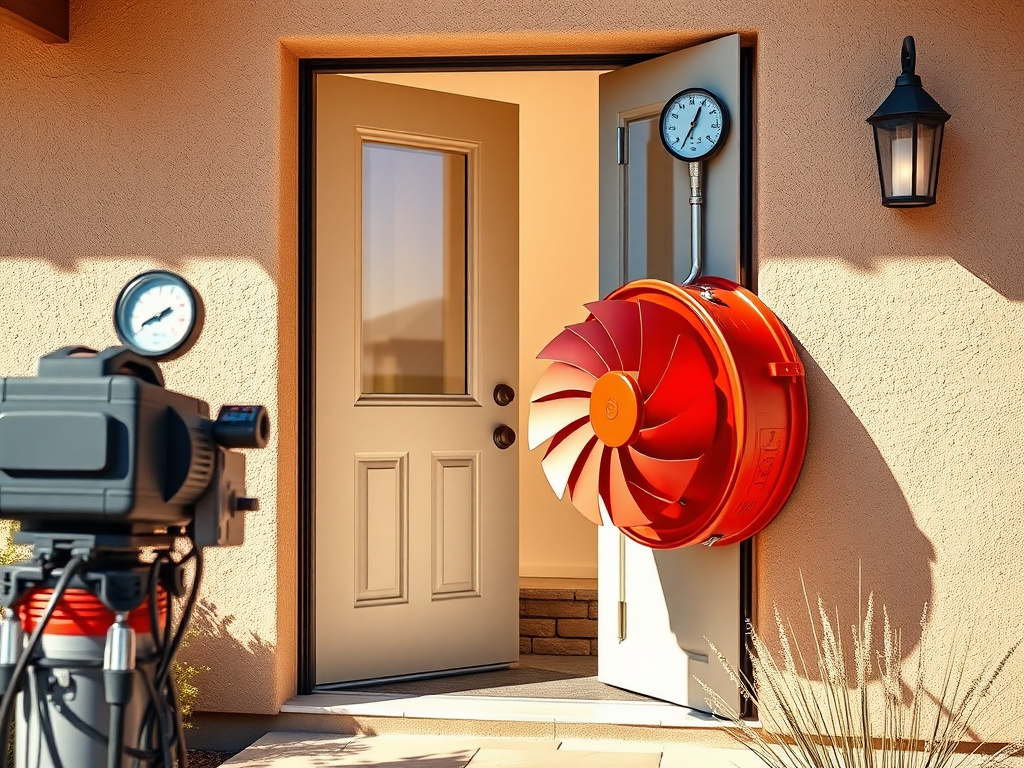
Blower Door Testing
A calibrated fan measures your home's true air leakage — the number every efficiency upgrade should start from.
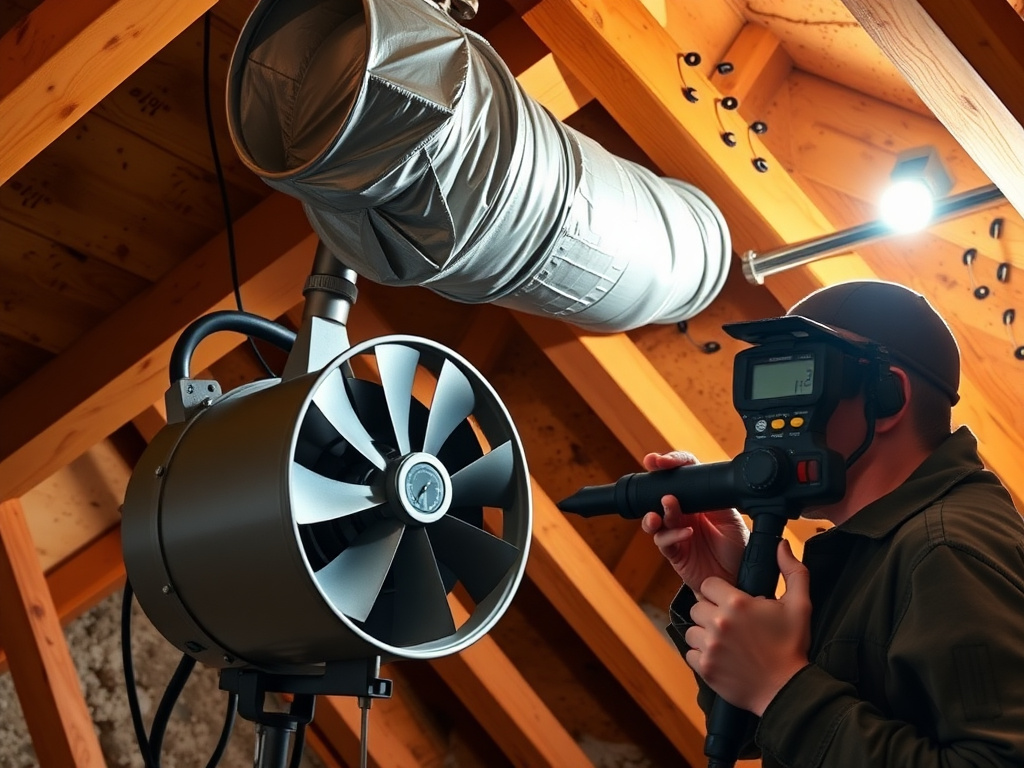
Duct Leakage Testing
Arizona attic ducts commonly leak 20–30% of your cooled air. We measure exactly how much — and where.
Whole-Home Energy Audit
The complete diagnosis — blower door, thermal camera, and duct testing in one visit, with a prioritized fix-it roadmap.
Ready to Find Out Why Your Bill Is So High?
Book an independent energy audit for your Arizona home or business. We measure exactly where your money is going — and hand you a prioritized plan to stop it.